Guide
Solar roof replacement: redo the roof before the panels
Solar roof replacement: why an aging roof should be redone before or with solar, what DOE figures show for doing both at once, and what to ask if panels are up.
Updated October 26, 20264 min readReviewed by SolarRealCost Editorial Team, editorial review: primary sources checked and independently fact-checked
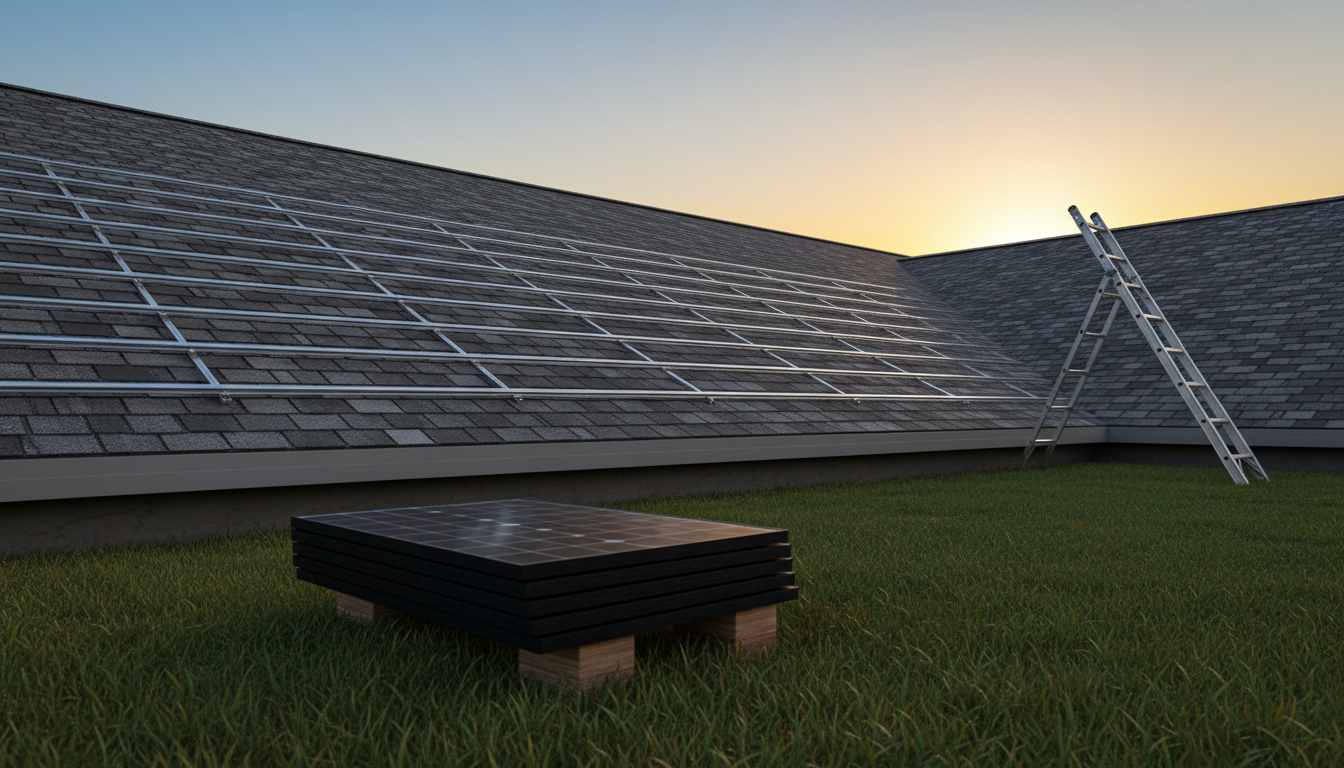
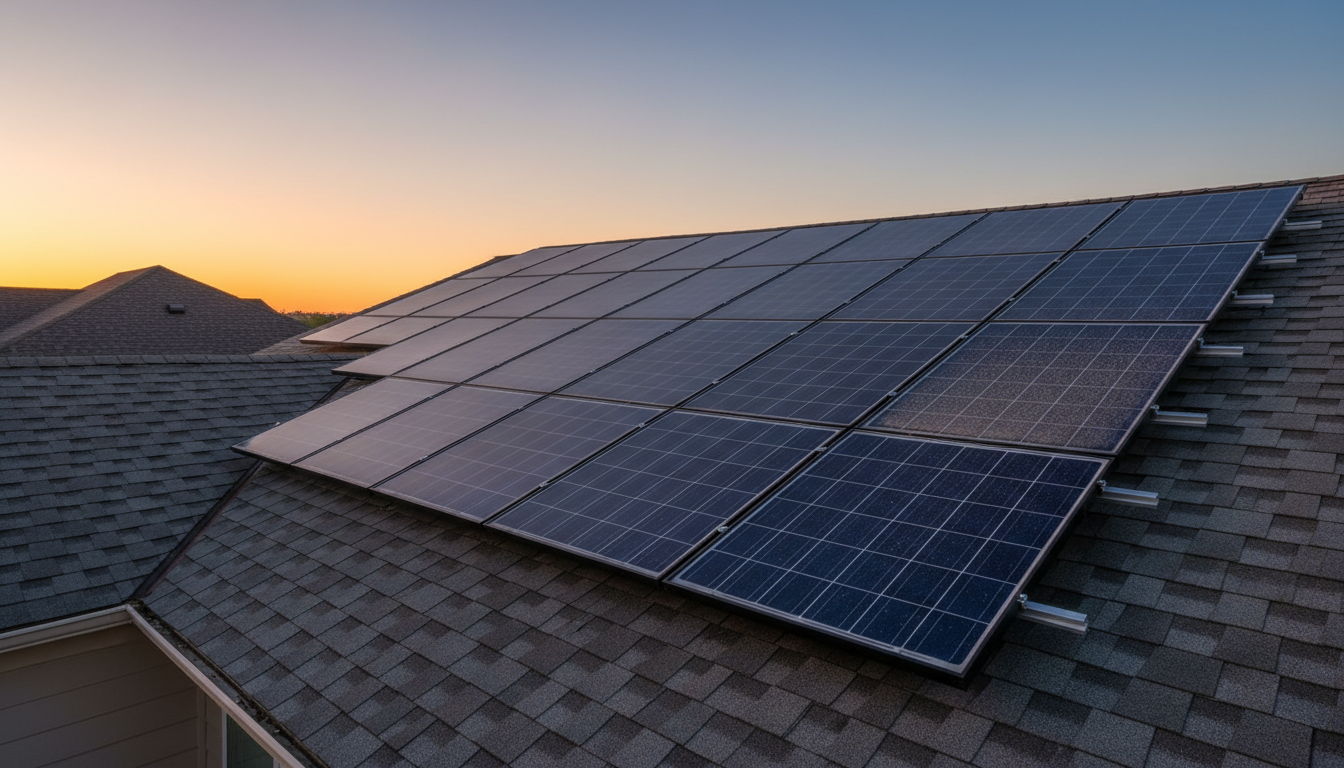
Solar roof replacement comes down to timing. Rooftop panels sit on your roof for decades, so if the roof will need replacing within that time, the cheapest moment to do it is before the panels go up, or at the same time. If the panels are already there, a new roof means taking the array off and putting it back, and that's a separate bill.
Why solar roof replacement timing matters
A rooftop array is attached to your roof and wired into the house. The Department of Energy's homeowner guide lists roof age as one of the first things to check: "in some cases, rooftops may not be suitable for solar systems due to age or tree cover," and "you should also consider the age of your roof and how long until it will need replacement."
It comes down to lifespans. In a 2021 article, the DOE's solar office said a roof "will last anywhere from 20 to 50 years depending on the materials used," and that "solar panels last about 25-30 years, which is similar to the lifetime of a roof." If your roof is halfway through its life when the panels go on, it will likely need replacing while they're still producing. Our guide to how long solar panels last covers the equipment side, including the inverter, which the DOE's design basics expect to be replaced at least once over a 25-year array life.
Replacing the roof and adding solar at the same time
The same 2021 DOE article made the case for doing both at once. Its figures, as of 2021:
| 2021 DOE figure | |
|---|---|
| Average roof replacement | about $10,000 |
| Average residential rooftop solar array (NREL) | $19,000 |
| Both done separately | nearly $30,000 |
| Both done together (NREL estimate) | about $25,000 |
| Average saving | about $4,000 |
The article credits part of the saving to the fact that roofers and solar installers "often have partnerships that can benefit homeowners," and adds that doing both together means you "avoid needing to have your solar panels re-installed after replacing your roof."
Treat the dollar amounts as a 2021 snapshot, not a 2026 quote. Prices have moved, and the article also pointed readers to a federal credit of 26% for systems installed in 2021 or 2022. That's gone now: the IRS says the Residential Clean Energy Credit "is not available for any property placed in service after December 31, 2025." The basic point survives: take an array off and put it back later, and you're paying for installation labor twice.
Price the solar side with your own numbers before you commit, with the federal credit at zero.
If you already have solar and need a new roof
Then the array has to come off before the roofers start and go back on after. No government source we found publishes a typical price for that work, and it varies with the size of the array and the roof, so don't rely on a figure from a cost site. Get it quoted.
Before you agree to anything, ask:
- who disconnects, removes, stores and reinstalls the panels, and who is responsible if equipment is damaged in between;
- whether the original installer's workmanship warranty, and any roof penetration warranty, survives the removal, or whether the new installer's replaces it;
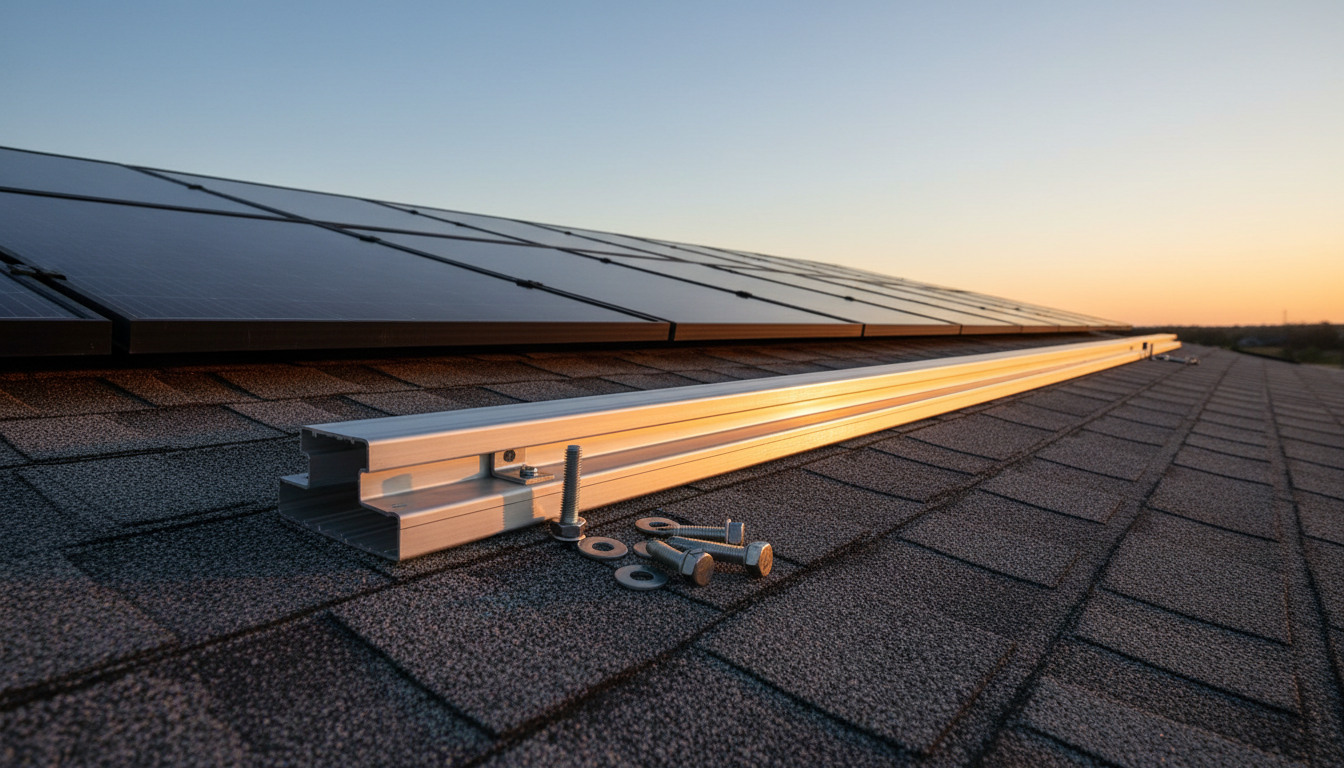
- whether the racking and flashing will be reused or replaced;
- who handles any permit and the utility's sign-off before the system is switched back on.
Our checklist of what a solar quote must show lists the warranty lines, including the roof penetration warranty, worth having in writing from the start. If the company that installed your system has closed, see my solar installer went out of business.
Bottom line
Solar roof replacement is cheapest when it happens before or with the solar install, not after. The DOE suggests checking your roof's age first, and its 2021 figures put the saving from doing both together at about $4,000 on 2021 prices. If your panels are already up, get removal and reinstallation quoted in writing, with the warranties spelled out. Then compare the whole job against what solar costs to install and decide whether solar panels for your home still make sense.
Common questions
Should I replace my roof before installing solar?
If the roof is near the end of its life, it's worth considering. The Department of Energy's homeowner guide says to consider the age of your roof and how long until it will need replacement. A 2021 DOE article puts panel life at about 25 to 30 years, so the array will sit on that roof for decades.
How much can I save by replacing the roof and adding solar at the same time?
In a 2021 DOE article, NREL researchers estimated an average saving of about $4,000 when the two jobs are done together. Those figures predate 2026 prices and the end of the federal residential credit, so get current quotes.
How long does a roof last compared with solar panels?
The same DOE article puts a roof at anywhere from 20 to 50 years depending on materials, and solar panels at about 25 to 30 years.
What happens if my roof needs replacing after the panels are installed?
The array has to be taken off and put back after the new roof goes on. Ask for a written quote for that work, and check who warrants the roof penetrations afterward.
Sources
- U.S. Department of Energy: Replacing Your Roof? It's a Great Time to Add Solar (2021)
- U.S. Department of Energy: Homeowner's guide to going solar
- IRS: Residential Clean Energy Credit
- U.S. Department of Energy: Solar photovoltaic system design basics
By SolarRealCost Editorial Team. First published October 26, 2026. Advertiser disclosure
Keep reading